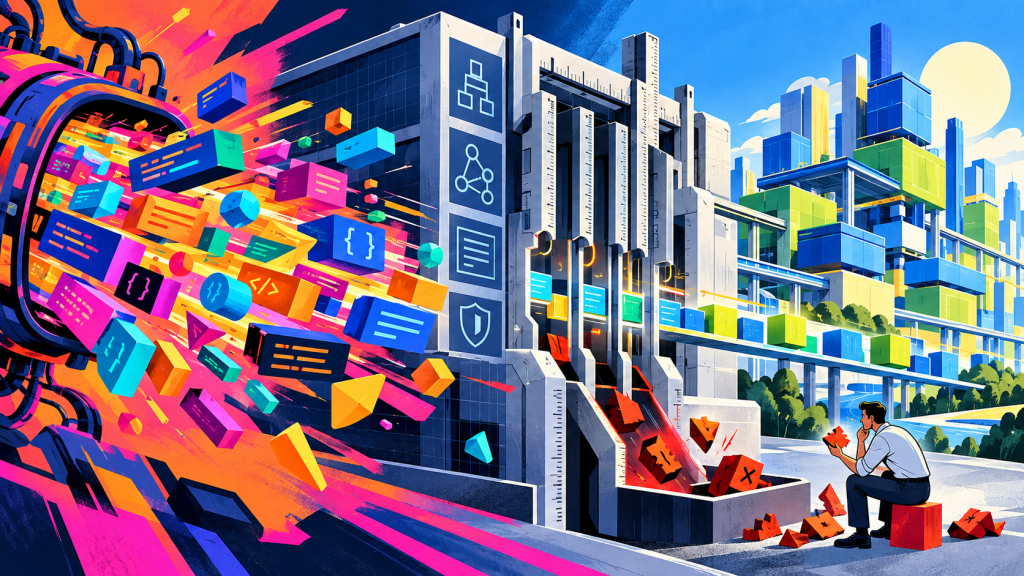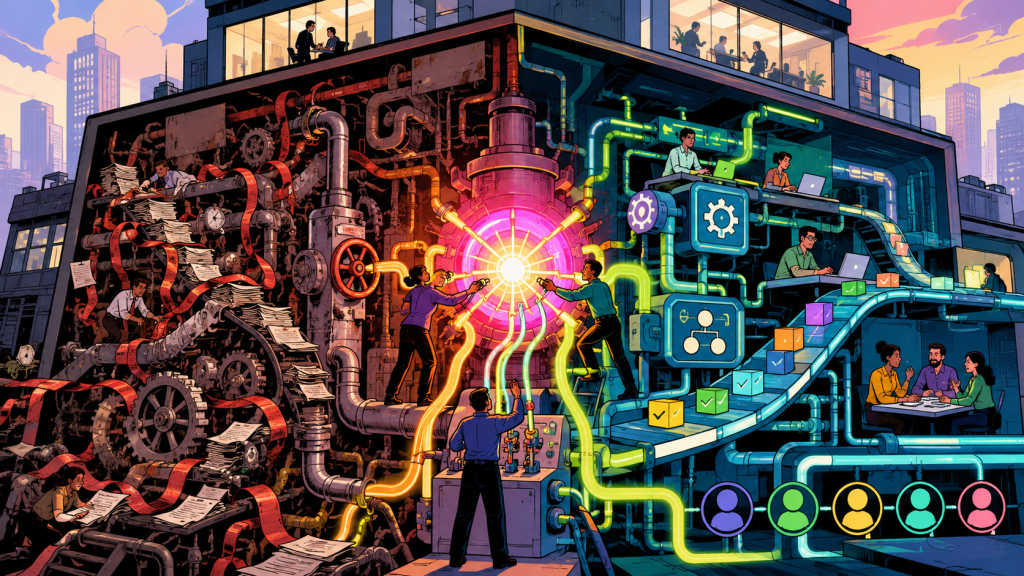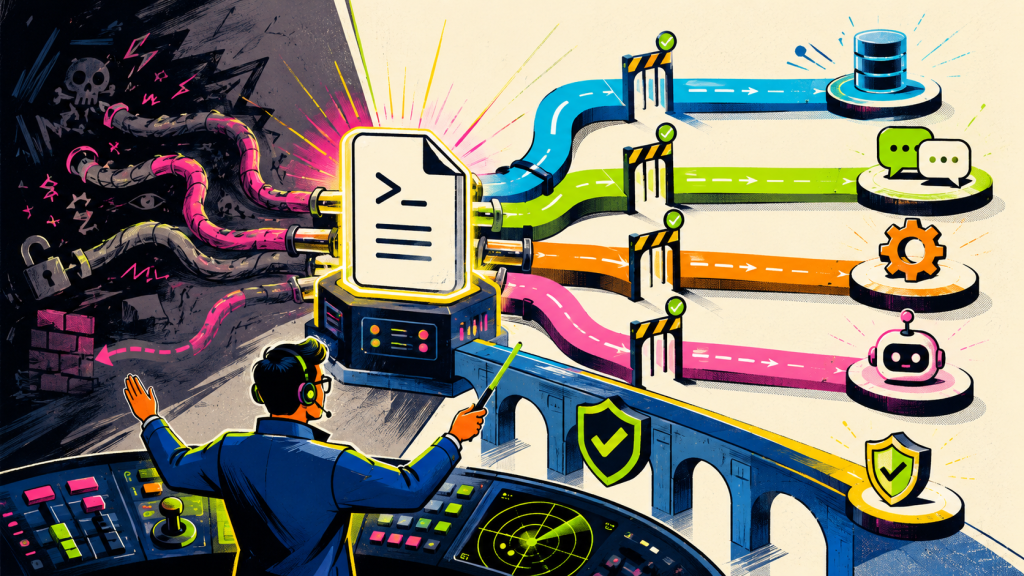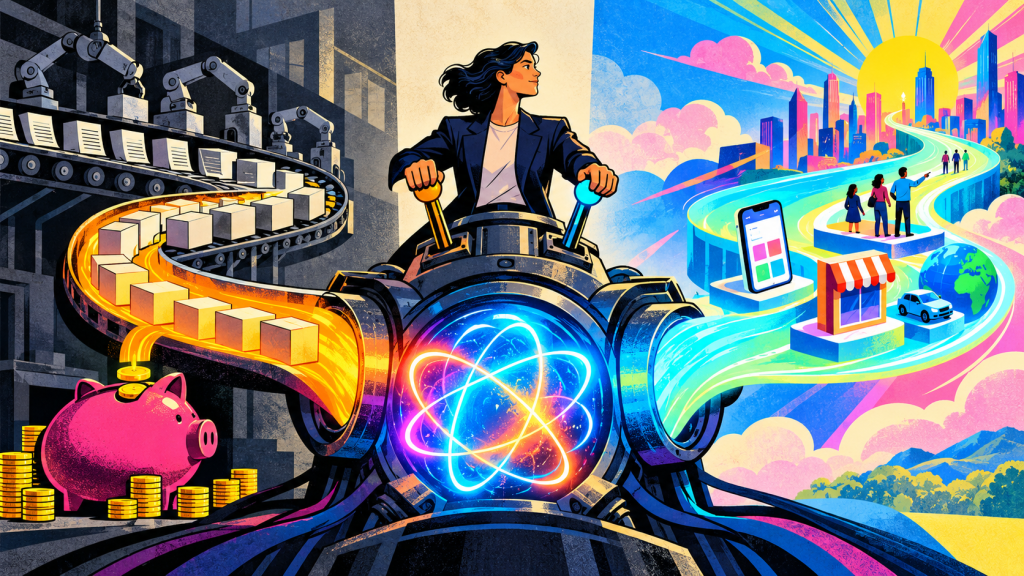
Tunneling is one of the quietest and most corrosive forces in product management. I was gifted Upstream by Dan Heath from a product leader, and of course it was full of amazing product insights. The section on tunneling really stood out to me and was the inspiration for the following article.
Tunneling is one of the quietest and most corrosive forces in product management. Dan Heath defines tunneling in Upstream as the cognitive trap where people become so overwhelmed by immediate demands that they become blind to long term thinking. They fall into a tunnel, focusing narrowly on the urgent problem in front of them, while losing the ability to lift their head and see the structural issues that created the problem in the first place. It is not a failure of talent. It is a failure of operating conditions and incentives that reward survival over strategy.
Product teams fall into tunneling more easily than almost any other function. Shipping deadlines, stakeholder escalations, outages, bugs, demos, and endless “quick requests” push teams into a survival mindset. When tunneling sets in, teams stop working on the product and start working for the product. Their world collapses into keeping the next release alive, rather than increasing the long term value of the system.
This post examines tunneling in product management, how to recognize it, and why great leaders act aggressively to eliminate it.
The Moments That Signal You Are Already in the Tunnel
Product managers rarely admit tunneling. Instead, it shows up in subtle but repeatable patterns. When I work with teams, these are the red flags that appear most often.
1. Roadmaps turn into triage boards
When 80 percent of your roadmap is filled with fixes, quick wins, client escalations, and “urgent but unplanned” work, you are not prioritizing. You are reacting. Teams justify this by saying “we need to unblock the business” or “this customer is at risk,” but in practice they have ceded control of the roadmap to whoever yells the loudest.
2. PMs stop asking why
Tunneling pushes PMs to accept problem statements exactly as the stakeholder phrases them. A leader says “We need this report,” and the PM rushes to gather requirements without asking why the report is needed or whether the underlying decision process is broken. When discovery collapses, product strategy collapses with it.
3. Success becomes defined as getting through the week
Teams celebrate surviving releases instead of celebrating impact. A product manager who once talked passionately about the user journey now only talks about the number of tickets closed. The organization confuses motion with progress.
How Tunneling Shows Up in Real Product Teams
Example 1: The never ending backlog of “critical blockers”
A global platform team once showed me a backlog where more than half the tickets were marked critical. When everything is critical, nothing is strategic. The team had allowed sales, implementation, and operations to treat the product organization as an on demand task force. The underlying issue was a lack of intake governance and a failure to push accountability back to the functions generating the noise.
Example 2: Feature requests that mask system design flaws
A financial services product team spent months building “one off” compliance features for clients. Each request seemed reasonable. But the real problem was that the product lacked a generalizable compliance framework. Because they tunneled into each request, they burned time and budget without improving the architecture that created the issue.
Example 3: PMs becoming project managers instead of product leaders
A consumer health startup repeatedly missed growth targets because PMs were buried in ceremonies, reporting, and release wrangling. The root cause was not team incompetence. It was tunneling. They simply had no time or space to do discovery, validate assumptions, or pressure test the business model. The result was a product team optimized for administration instead of insight.
Why Product Organizations Tunnel
Tunneling is not caused by weak product managers. It is caused by weak product environments.
Three culprits show up most often.
1. Leadership prioritizing urgency over clarity
When leaders create a culture where speed trumps direction, tunneling becomes inevitable. A team cannot think long term when every week introduces the next emergency.
2. Lack of a stable operating model
Teams tunnel when they lack clear intake processes, prioritization frameworks, definitions of done, and release rhythms. Without structure, chaos becomes normal and the tunnel becomes the only way to cope.
3. Poor metrics
If the organization only measures output rather than outcomes, tunneling is rewarded. Dashboards that track ticket counts, velocity points, or story volume push teams to optimize for the wrong thing.
How to Break Out of the Tunnel
Escaping the tunnel is not an act of heroism. It is an act of design. Leaders must create conditions that prevent tunneling from taking hold.
1. Build guardrails around urgent work
Urgent work should be explicitly capped. High maturity product organizations use capacity allocation models where only a defined percentage of engineering time can be consumed by unplanned work. Everything else must go through discovery and prioritization.
2. Make problem framing a mandatory step
Teams must never act on a request until they have clarified the root problem. This single discipline cuts tunneling dramatically. Questions like “What is your real desired outcome” and “What are the alternatives you considered” shift the team from reaction to inquiry.
3. Shift the narrative from firefighting to systems thinking
Tunneling thrives when teams believe the world is a series of unconnected fires. Leadership must consistently redirect conversations toward structural fixes. What is the design gap? What is the long term win? What investment eliminates this class of issues forever?
4. Protect strategic time
Every product manager should have non negotiable time for discovery, research, client conversations, and exploration. Tunneling destroys creativity because it destroys time.
The Hard Truth: You Cannot Innovate While Tunneling
A product team inside a tunnel may survive, but it cannot innovate. It cannot design the next generation platform. It cannot shift the market. It cannot see around corners. Innovation requires space. Tunneling removes space. As Dan Heath notes, people in tunnels are not irrational. They are constrained. They are operating under scarcity of time, attention, and emotional bandwidth.
Great product leaders treat tunneling as an existential risk. They eliminate it with the same intensity they eliminate technical debt or security vulnerabilities. Because tunneling is not just a cognitive trap. It is a strategy trap. The longer the organization stays in the tunnel, the more it drifts toward mediocrity.
The highest performing product teams have one thing in common. They refuse to let the urgent consume the important. They protect clarity. They reject chaos. They create the conditions for long term thinking. And because of that, they build products that move markets.
References
- Dan Heath, Upstream: The Quest to Solve Problems Before They Happen, Avid Reader Press, 2020.
- Mullainathan, Sendhil and Shafir, Eldar. Scarcity: Why Having Too Little Means So Much, Times Books, 2013. (Referenced indirectly in Upstream regarding tunneling psychology.)