The AI Agent Revolution: How Product Management Will Transform

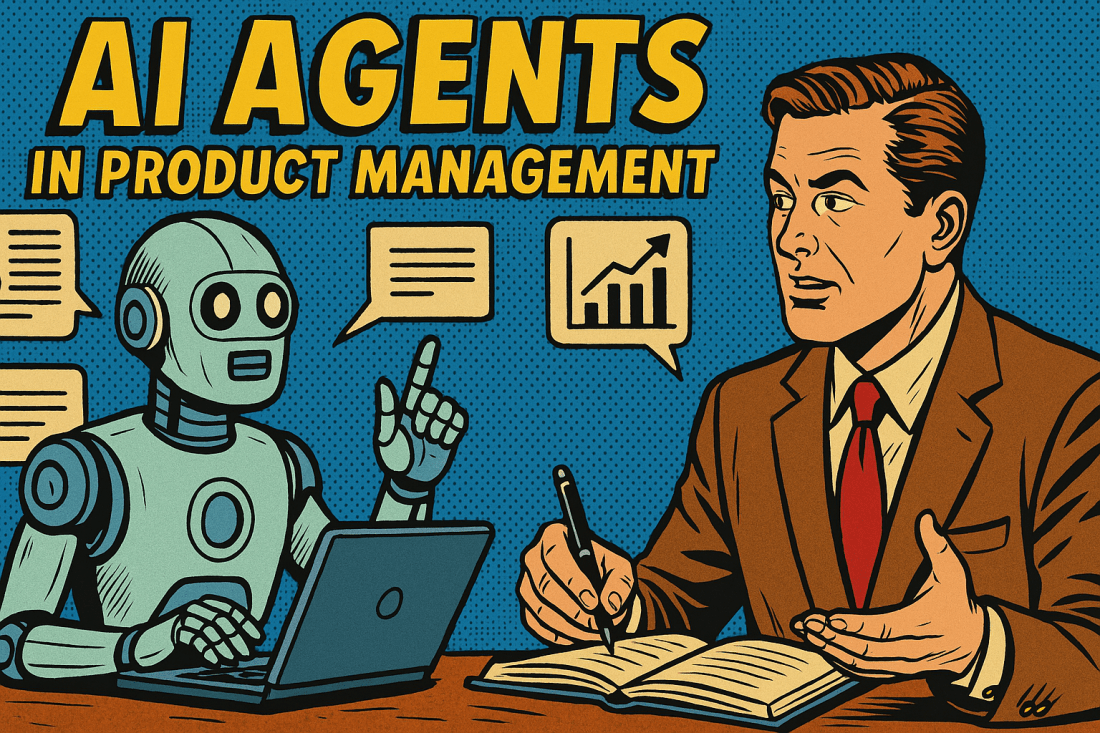
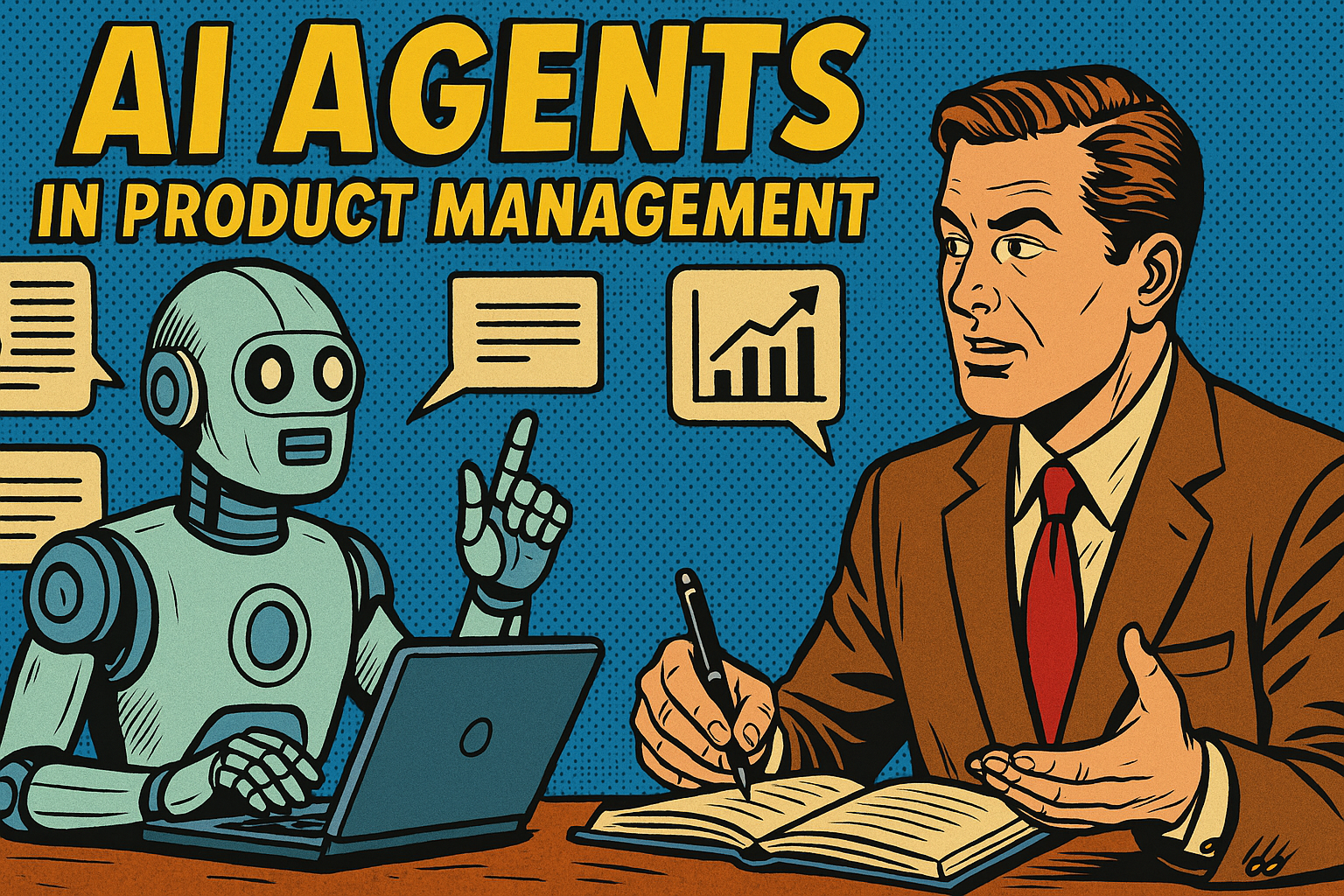
AI is rapidly reshaping every discipline, but its impact on Product Management may be one of the most profound and underestimated shifts happening today. The rise of autonomous AI Agents is not just a tool change. It represents a fundamental evolution in how products are envisioned, built, and scaled.

The Current State: AI Agents as Accelerators

Today, AI Agents are already augmenting Product Managers (PMs) in several key ways:

  • Market & User Research: Tools like ChatGPT and Claude can quickly synthesize user feedback, summarize competitive research, and even generate personas from large datasets.
  • Roadmapping & Prioritization: AI-driven solutions such as Productboard’s AI Assist analyze customer requests, trend data, and engineering capacity to recommend feature prioritization.
  • Experimentation & Analysis: PMs are using AI Agents to automate A/B test design and result interpretation. For example, Amplitude’s AI tools surface actionable insights from product usage data that would take human analysts days to uncover.
  • Documentation & Communication: Agents are writing release notes, synthesizing meeting transcripts, and even drafting stakeholder emails. This reduces busywork and gives PMs back valuable time.

Example in Practice:
At Microsoft, PM teams are using Copilot to automate status reporting, aggregate feedback from Azure DevOps, and provide intelligent next-step suggestions all within the workflow. This allows PMs to spend more time with users and less time on repetitive updates.

Historical Parallels: From Waterfall Product Management to Agile, and Now AI

To fully appreciate where we are headed, it is important to look back at how product management has evolved. Traditionally, the product management process mirrored the Waterfall methodology of software development. It was linear, rigid, and heavily reliant on upfront planning and documentation. Product managers would spend months gathering requirements, building detailed roadmaps, and defining release cycles, with limited ability to adapt quickly to market feedback or changing user needs. Progress was measured in milestone documents and phased handoffs, rather than in real-time impact.

The shift to Agile changed everything. Agile methodologies empowered PMs and teams to embrace iteration, rapid prototyping, and close feedback loops. The focus moved from static plans to continuous delivery, learning, and adaptation. This evolution unlocked greater speed, innovation, and customer alignment.

Now, with the arrival of AI Agents, we are on the brink of another revolution. Just as Agile replaced Waterfall, AI is poised to move product management beyond even Agile’s rapid cycles. We are entering an environment where autonomous agents learn, iterate, and act in real time, allowing PMs to focus on the highest-value strategic decisions.

What’s Changing: From Assistant to Autonomous Product Agent

We are at an inflection point where AI Agents will move from being helpers to actual doers. The next wave of agents will be able to:

  • Proactively Identify Opportunities: Instead of waiting for PMs to define problems, agents will monitor usage, NPS, and market shifts to surface new product bets.
  • Draft and Validate Solutions: Agents will suggest wireframes, create PRDs, and even run early prototype tests with real users using digital twins and simulation.
  • Own Tactical Execution: Routine backlog grooming, user story mapping, and sprint planning will become automated. This will allow PMs to focus on vision and business outcomes.
  • Close the Loop with Engineering & Design: With multi-agent collaboration (see OpenAI’s GPTs and Google’s Gemini), AI agents will interact directly with design and engineering tools. They will push changes, create tickets, and track dependencies with minimal human intervention.

Emerging Example:
Startups like Adept and LlamaIndex are building agent frameworks that enable AI to take action across tools. This includes pulling analytics, updating Jira, and even creating Figma prototypes autonomously. Motional uses AI product agents to run simulations for autonomous vehicle feature testing, shortening cycles from weeks to hours.

The Next Frontier: AI-Powered Market Research

As product management embraces AI, one of the most promising developments is the use of AI agents for market research and user insights. According to a recent a16z analysis, AI tools are beginning to automate and transform the market research process. This shift enables PMs to understand customer needs at a scale and speed previously impossible.

Traditionally, market research involved time-consuming interviews, surveys, and manual data analysis. AI is now disrupting this model in several key ways:

  • Automated, Large-Scale Qualitative Research: AI can conduct thousands of simultaneous interviews, analyze sentiment, and summarize key themes across vast datasets in hours instead of weeks.
  • Deeper, Real-Time Consumer Insights: AI agents can tap into social media, review sites, and support channels, continuously surfacing new patterns and unmet needs as they emerge. This means PMs get early signals and can iterate faster.
  • Rapid Prototyping and Testing: The blog highlights how product teams can use generative AI to test product concepts, messaging, or UI designs with virtual users or real consumers at scale, getting statistically significant feedback almost instantly.

AI-powered market research, as highlighted by a16z, gives product managers faster, deeper insights for feature prioritization, user segmentation, and go-to-market decisions. PMs who leverage AI for continuous, automated market understanding will build more relevant products and outperform those using traditional methods.

The Future: Product Management as Orchestration

By 2030, product management will look very different:

  • The PM as an Orchestrator: The PM’s role will evolve into orchestrating swarms of specialized AI agents. Each will focus on a specific domain, such as research, delivery, or customer insights.
  • Faster, Smarter, More Iterative: Prototyping cycles will shrink from months to days. Products will launch with AI-managed experiments running in the wild, learning and adapting at a scale no human team could match.
  • New Skills Required: Success will depend on mastering AI orchestration, agent prompt engineering, and understanding the ethical and strategic implications of AI-driven product cycles.
  • Radical Collaboration: With autonomous agents handling the “what” and “how,” PMs will double down on the “why.” Their focus will shift to customer empathy, market positioning, and strategic bets.

Quote from Marty Cagan, SVPG:

“The next era of product creation will be led by those who can harness AI to not just accelerate, but fundamentally reimagine the product development process.”
(SVPG: The Era of the Product Creator)

References & Further Reading

Final Thoughts

AI agents are here, and they are quickly moving from simply augmenting product management to fundamentally transforming it. The best PMs will embrace this shift, not as a threat, but as a once in a generation opportunity to build better products, faster, and with more impact than ever before.

How are you preparing for the era of AI-augmented product management?

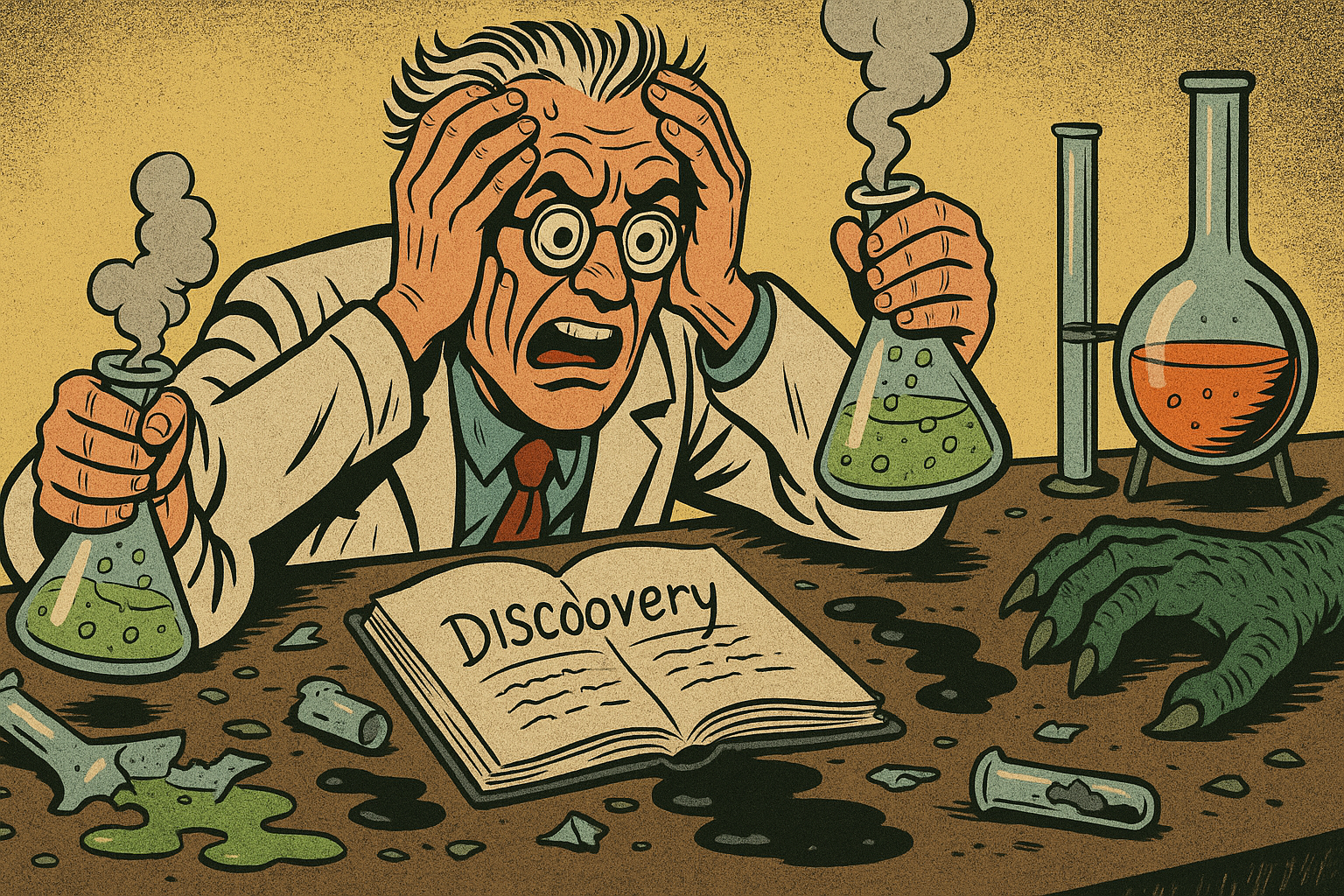
Are AI Use Cases Skipping Product Discovery? Reconciling Speed with Strategy in the Age of AI

Organizations today are rapidly adopting artificial intelligence (AI) by prioritizing specific “use cases” to swiftly realize business value. While this approach accelerates the integration of AI into operations, it raises a critical question: Are organizations inadvertently bypassing the traditional product management process, specifically the discovery phase, by jumping directly into solution mode?

Definitions:

  • AI Use Case: A clearly defined scenario applying artificial intelligence to solve a specific business or operational challenge, typically outlined as: “We will use [AI method] to solve [business problem] to achieve [measurable outcome].” For example, using natural language processing (NLP) to automatically classify customer feedback and extract trends in real-time.
  • Product Management Process: The structured lifecycle of transforming market problems into valuable, usable, and feasible solutions. This process generally includes strategy, discovery, delivery, and measurement and iteration.
  • Discovery (within Product Management): The structured exploratory phase where product teams understand user problems, validate assumptions, and assess potential solutions before committing development resources. Effective discovery ensures teams solve the correct problems before building solutions.

How AI Use Cases Differ from Traditional Discovery

AI use cases typically start with a predefined technology or capability matched to a business challenge, emphasizing immediate solution orientation. In contrast, traditional discovery prioritizes deeply understanding user problems before identifying appropriate technologies. This difference is significant:

AI Use Case ApproachTraditional Discovery Approach
Business-problem focusedUser-problem focused
Solutions identified earlySolutions identified after exploration
Tech-centric validationUser-centric validation
Accelerates time-to-solutionPrioritizes validated, scalable solutions

Pros and Cons of a Use Case-Led Approach

Pros:

  • Quickly aligns AI investments with tangible business outcomes.
  • Simplifies AI concepts for stakeholder buy-in.
  • Accelerates experimentation and deployment cycles.
  • Example: McKinsey’s AI use case library effectively demonstrates how AI can practically solve specific business challenges.
  • Example: Amazon’s implementation of AI-driven recommendations demonstrates rapid alignment of AI solutions with business outcomes, significantly increasing sales revenue.

Cons:

  • Risks developing solutions without thorough user validation, leading to potential misalignment.
  • Limited scalability if AI solutions narrowly fit specific contexts without broader applicability.
  • Risks technology-driven solutions searching for problems, rather than responding to validated market needs.
  • Example: Early chatbot implementations frequently lacked user adoption because user interaction needs were not thoroughly researched beforehand.
  • Example: IBM Watson’s ambitious AI projects sometimes struggled due to insufficient initial user validation, leading to significant costs without achieving anticipated adoption.

Pitfalls of Skipping Discovery

Neglecting traditional discovery can lead to substantial failures. Gartner Predicts 30% of Generative AI Projects Will Be Abandoned After Proof of Concept By End of 2025, often due to lack of initial user validation and insufficient market fit. Organizations frequently invest significantly in sophisticated AI models, only to discover later these solutions don’t solve actual user needs or achieve business goals effectively.

Three-Step Framework: Integrating AI Use Cases with Discovery

Step 1: Outcome Before Algorithm
Define clear, user-centric outcomes alongside your AI use cases. Ensure alignment with overarching business goals before committing to specific technologies.

Step 2: Pair Use Cases with Discovery Sprints
Conduct lean discovery sprints concurrently with AI solution development. This parallel approach validates assumptions and ensures the technology solves validated, critical user problems.

Step 3: Embed Product Managers in AI Teams
Involve experienced product managers in AI projects to maintain a balanced focus on user needs, market viability, and technical feasibility, ensuring long-term product success.

Conclusion

AI use cases present a compelling path to rapid innovation but should not replace disciplined discovery practices. By blending the strengths of both approaches, organizations can innovate faster while delivering meaningful, validated, and scalable AI-driven solutions.

#AI #ProductStrategy #CTO #CPO

Culture Eats AI Strategy for Breakfast: Cheat Codes for Technology Leaders Driving AI Transformation

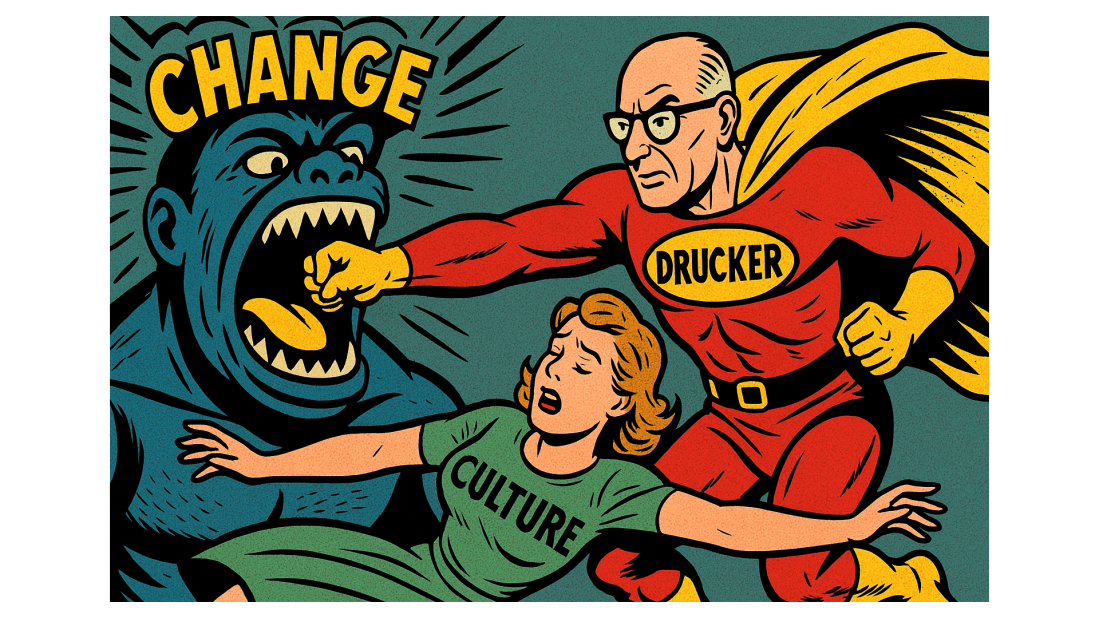
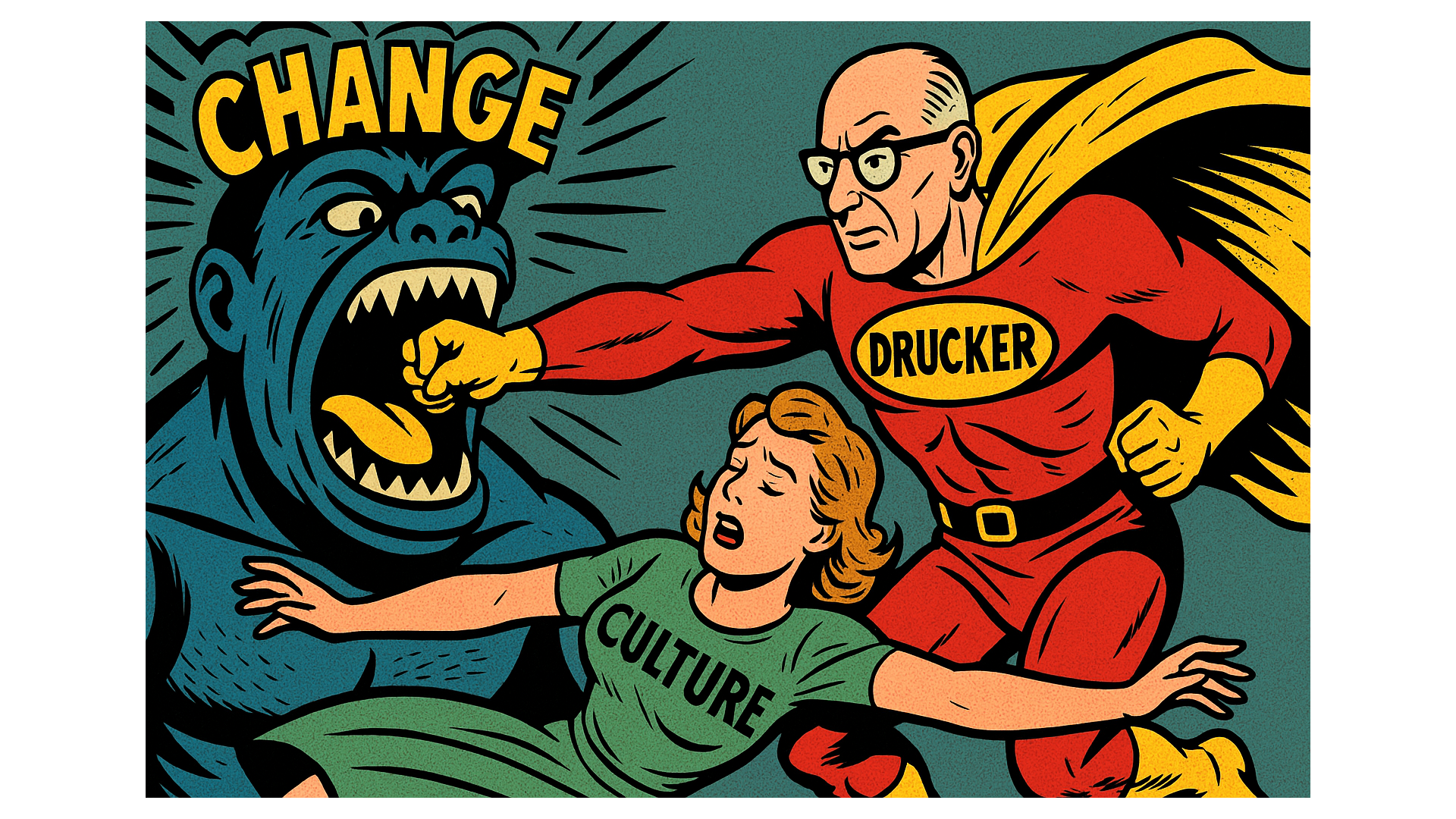
Peter Drucker famously warned that “Culture eats strategy for breakfast.” Today, as organizations race toward AI-driven futures, his wisdom has never been more relevant. Boards ask for AI roadmaps, pilot programs, and productivity breakthroughs, but experienced technology leaders recognize one crucial truth: Your culture, not your technology, determines your AI success.

You can invest significantly in top-tier AI talent, sophisticated models, and robust infrastructure. Yet if your organizational culture resists innovation and experimentation, even the most ambitious AI strategies will stall.

The Cultural Disconnect Is Real and Expensive

Consider these recent findings:

  • According to BCG, 70% of digital transformations fail, and more than 50% of these failures are directly linked to cultural resistance.
  • Gartner highlights that just 19% of organizations move successfully from AI experimentation to broad adoption.

In other words, the biggest obstacle isn’t technology, it’s your people.

Why Culture is Your Real AI Enabler

AI reshapes how teams operate, make decisions, and deliver value. Organizations thriving in an AI-powered environment typically share these cultural traits:

  • Open to experimentation (instead of focusing solely on perfection)
  • Driven by outcomes (rather than task completion)
  • Decentralized and agile (rather than rigidly hierarchical)

Without embracing these cultural shifts, your AI initiatives risk becoming ineffective investments.

Critical Questions for Technology Leaders

Before diving into AI projects, pause to reflect on these questions about your organizational culture:

  • Do employees see AI as a threat or as a helpful partner?
  • Are leaders genuinely comfortable learning from failures, or is perfection still expected?
  • Do innovation activities translate into meaningful business outcomes, or are they primarily for show?
  • Is your decision-making process agile enough to support rapid AI experimentation and implementation?

Your responses will help identify the key cultural barriers and opportunities you need to address.

Success Stories: Companies Mastering Culture-First AI

Here are organizations that successfully navigated cultural challenges to harness the power of AI:

  • Microsoft: CEO Satya Nadella introduced a growth mindset, fostering experimentation and cross-team collaboration. This culture paved the way for successful AI products such as Copilot and Azure OpenAI.
  • DBS Bank: DBS embedded a “data-first” culture through widespread employee AI education. This investment led to rapid AI adoption, significantly improving customer service and reducing response times by up to 80%.
  • USAA: USAA positioned AI clearly as an augmentation tool rather than a replacement. This approach fostered employee trust and improved both customer satisfaction and internal productivity.

Cheat Codes for Technology Leaders: How to Accelerate Cultural Readiness for AI

Instead of complicated frameworks, here are three practical cheat codes to drive rapid cultural change:

1. Shift the AI Narrative from Threat to Opportunity

  • Clearly position AI as an ally, not an adversary.
  • Share success stories highlighting how AI reduces repetitive tasks, increases creativity, and boosts employee satisfaction.

2. Democratize AI Knowledge Quickly

  • Rapidly roll out AI training across your entire organization, not just among tech teams.
  • Use accessible formats like quick-start guides, lunch-and-learns, and internal podcasts. Quickly increasing organizational AI fluency helps accelerate cultural change.

3. Celebrate Rapid, Open Experimentation

  • Foster a culture that openly celebrates experimentation and accepts failures as valuable learning opportunities.
  • Publicly reward teams for trying innovative ideas, clearly communicating that experimentation is encouraged and safe within defined boundaries.

Final Thought: AI Transformation is Fundamentally Cultural

Technology opens the door, but your culture determines whether your organization steps through. AI transformation requires more than strategy and investment in tools. It requires intentional cultural shifts influencing how your teams operate daily.

As Peter Drucker emphasized decades ago, culture can derail even the most ambitious strategy. However, technology leaders who master the cultural aspects of AI transformation will create an enduring competitive advantage.

#DigitalTransformation #AI #CTO #CIO #ProductStrategy #Culture #EngineeringLeadership #FutureOfWork #PeterDrucker

The Core vs. Context Trap: How Product Teams and Business Leaders Can Stay Focused

One of the most frequent yet overlooked mistakes in product management and business strategy is failing to clearly distinguish between “core” and “context.” This is not merely a theoretical issue but a fundamental cause of diluted focus, inefficient resource allocation, and weakened competitive positioning.

Defining Core vs. Context

Let’s start by clearly defining these terms:

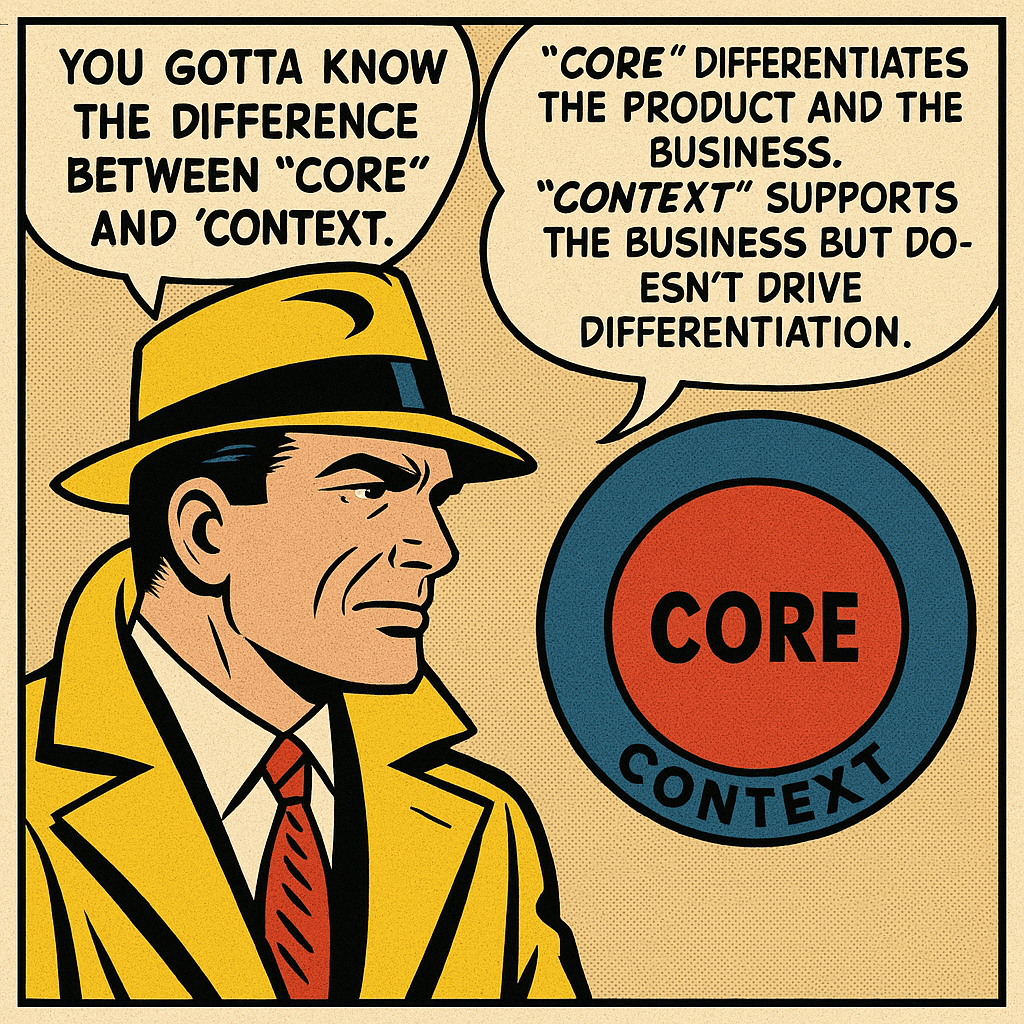
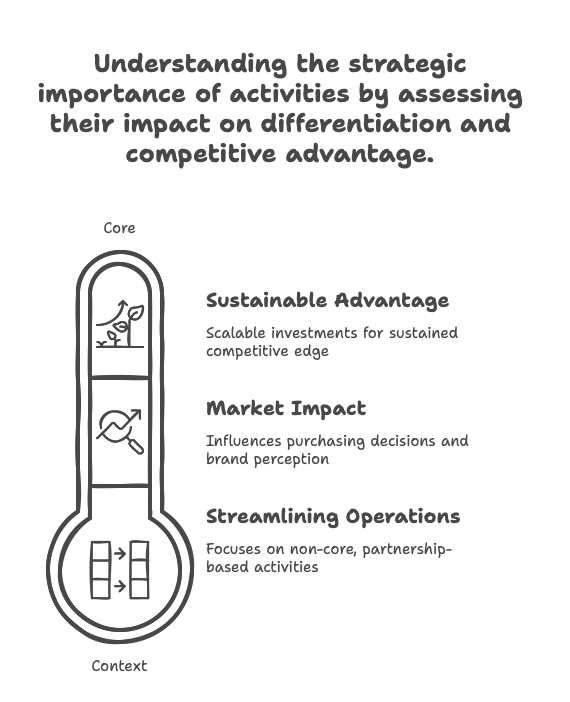
  • Core refers to the elements of your products, services, or operations that directly differentiate your company in the marketplace. These are areas where you have, or can build, unique expertise that competitors find difficult to replicate. Essentially, core is the heartbeat of your competitive advantage.
  • Context, by contrast, comprises the necessary but non-differentiating activities and technologies that support your business. These activities are essential to operate but offer little strategic advantage because competitors can easily replicate or purchase these capabilities from the open market.

The Risks of Confusing Context for Core

A common pitfall is treating context activities as core activities. Misallocating resources and attention to context often leads to diluted strategic focus, inefficient spending, and reduced capacity for innovation in genuinely differentiating areas. Over time, this misalignment erodes competitive positioning, leading to stagnation or even decline.

Consider a hypothetical example: Company A, a promising SaaS startup, decides to build and maintain its own internal customer support tooling because it perceives support as crucial to user experience. While customer support is undoubtedly important, proprietary tooling does not differentiate Company A from competitors. Instead, the heavy investment into maintaining these internal tools diverts resources away from product innovation, inadvertently giving an edge to competitors focused correctly on their core.

Real-world examples underscore this risk clearly. Netflix recognized early that its “core” was content personalization and delivery technology, not owning servers or data centers, and thus smartly leveraged cloud providers like AWS for infrastructure, a classic “context” component. Conversely, traditional retailers who treated IT infrastructure as core and heavily invested in data centers found themselves struggling against competitors who correctly leveraged cloud platforms.

Actionable Guidelines for Identifying Your Core

Here are practical steps for identifying your organization’s core:

  1. Strategic Differentiation Test: Regularly ask, “Does this directly differentiate us from competitors in ways customers value and competitors struggle to replicate?”
  2. Market Impact Analysis: Evaluate if an activity or product capability strongly influences purchasing decisions or brand perception.
  3. Scalability and Sustainability Check: Determine whether investments in an area sustainably scale your competitive advantage over time.
  4. Regular Portfolio Reviews: Conduct periodic audits of your product and operational investments to realign resources toward core activities and streamline context ones via partnerships or third-party solutions.

Role of the Business Leaders

Business leaders play a crucial role in clearly defining and consistently communicating strategic priorities. They are responsible for establishing the vision and direction that distinguishes core activities from context. Effective leaders maintain a disciplined approach to resource allocation, focusing resources primarily on strategic differentiators and ensuring context elements are efficiently managed or outsourced.

Role of the Product Team

The Product team, including the Chief Product Officer (CPO), Chief Technology Officer (CTO), and product leaders, operationalize the distinction between core and context. They execute the business vision through technical decisions, product roadmaps, and feature prioritization. The product team ensures day-to-day actions remain aligned with strategic goals, avoiding the temptation to invest disproportionately in non-differentiating context areas.

Contrasting Roles: Business vs. Product Team

While business leaders set the strategic boundaries and priorities, the product team focuses on execution within these boundaries. Business leaders must consistently reinforce the importance of core differentiation at the strategic level, while product teams translate this strategic clarity into practical, focused, and efficient product development efforts.

A Three-Step Framework to Avoid the Core vs. Context Problem

To maintain strategic clarity and competitive advantage, organizations should consistently apply the following three-step framework:

  1. Identify: Clearly define and communicate what constitutes core and context within your organization.
  2. Align: Ensure alignment of resources, processes, and investments around core activities, with disciplined outsourcing or efficient management of context activities.
  3. Review: Regularly revisit and reassess your definitions and strategic alignment to adapt to market changes and maintain competitive advantage.

Ultimately, mastering the core versus context distinction is an ongoing strategic discipline. Organizations that embed this clarity deeply into their culture and decision-making processes will not only enhance their agility and responsiveness but also sustain long-term competitive differentiation. Embracing this framework can empower your teams, clarify strategic direction, and ensure that your organization’s most critical resources, such as time, talent, and capital, are consistently invested where they deliver the greatest impact.

Balancing Vision and Execution in a Ship-It Culture

Who owns the Product Vision in your organization, and how clearly is it defined? How does your team align on strategy, and is execution a challenge? Perhaps you’ve solved for all these elements, or maybe the relentless pace of shipping leaves little room for reflection.

In a culture dominated by the relentless mantra of “Ship-It,” there is a seductive appeal in equating velocity with progress. Speed to market can become an obsession, driven by agile rituals and iterative dogma, often causing strategy, and more crucially Vision, to be sidelined. This phenomenon isn’t merely problematic; it’s existential. Without Vision anchoring execution, organizations risk accelerating down paths that lead nowhere meaningful, sacrificing long-term competitive advantage for the transient comfort of motion.

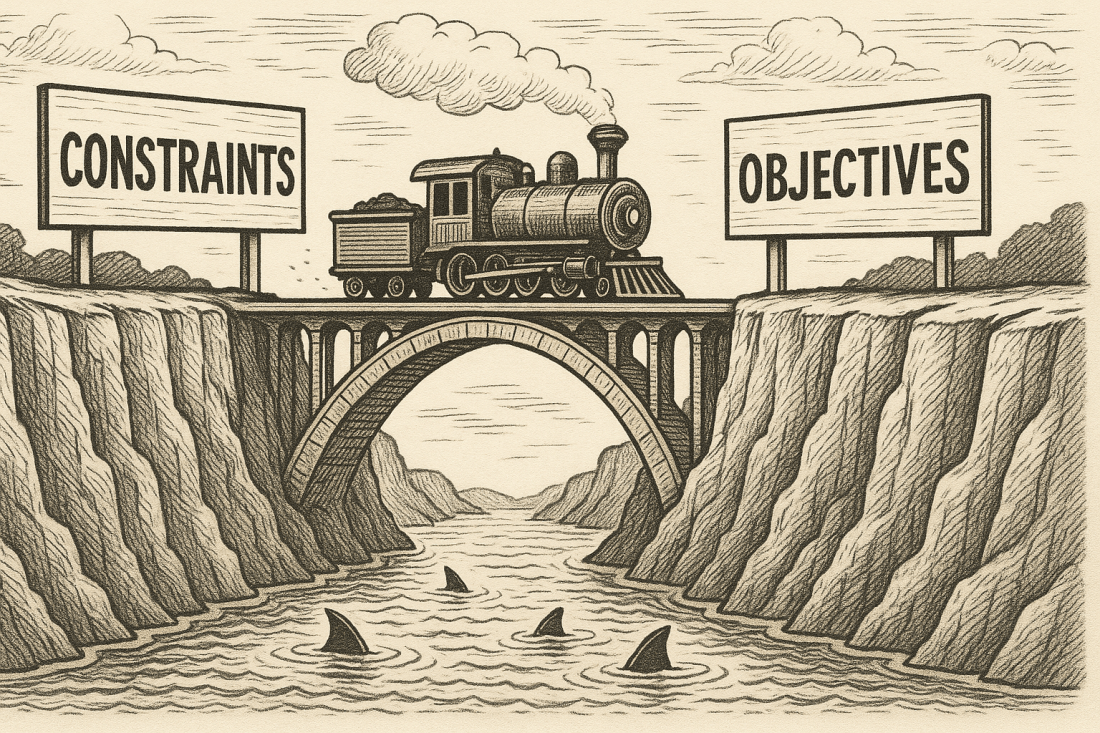
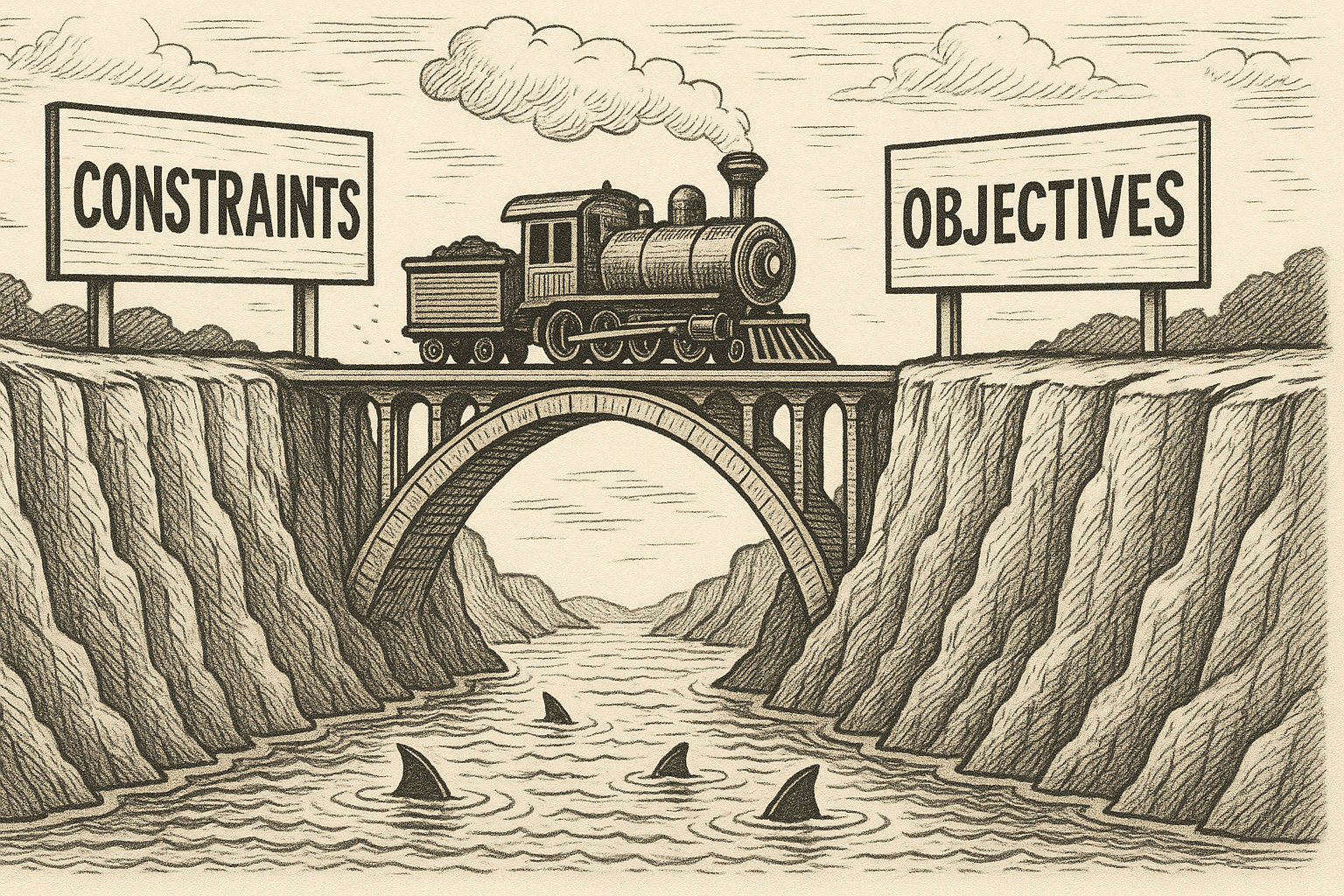
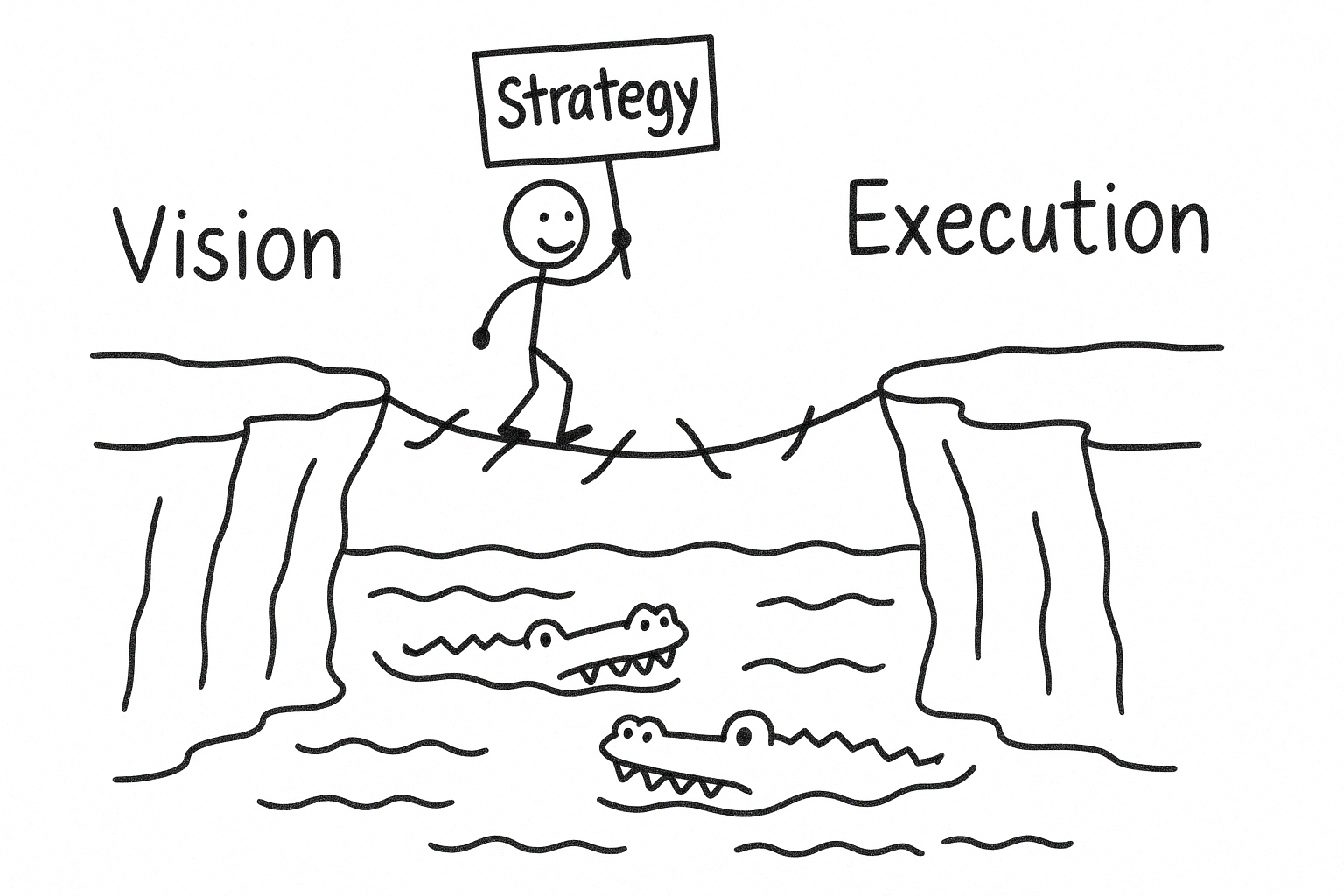
Strategy, far from being the bureaucratic nuisance it is often painted as, serves as the essential bridge between Vision and execution. It acts as the scaffolding that ensures each incremental effort compounds into sustainable differentiation rather than dissipating into disconnected efforts. Yet in the rush to deliver, strategy frequently becomes an inconvenient step, a luxury dismissed by leaders who prioritize pace over purpose. The true role of strategy is not to slow down innovation but to amplify impact by aligning each shipment with the organization’s broader goals.

Vision suffers the greatest neglect in this culture of immediacy. True Vision provides not only a north star but also an enduring framework for strategic coherence. When Vision is overlooked or undervalued, companies inevitably fragment into tactical chaos, mistaking activity for achievement. The paradox is clear: the very speed sought by a “Ship-It” culture is best achieved by clarifying Vision first, strategically aligning efforts second, and then relentlessly shipping toward meaningful outcomes.

No matter where your organization finds itself on the strategy journey, maintaining a balance between thoughtful planning and decisive action is critical. The most successful teams aren’t those who avoid missteps entirely but those who remain committed to progress, excited by the opportunity to continuously learn and refine their approach along the way.