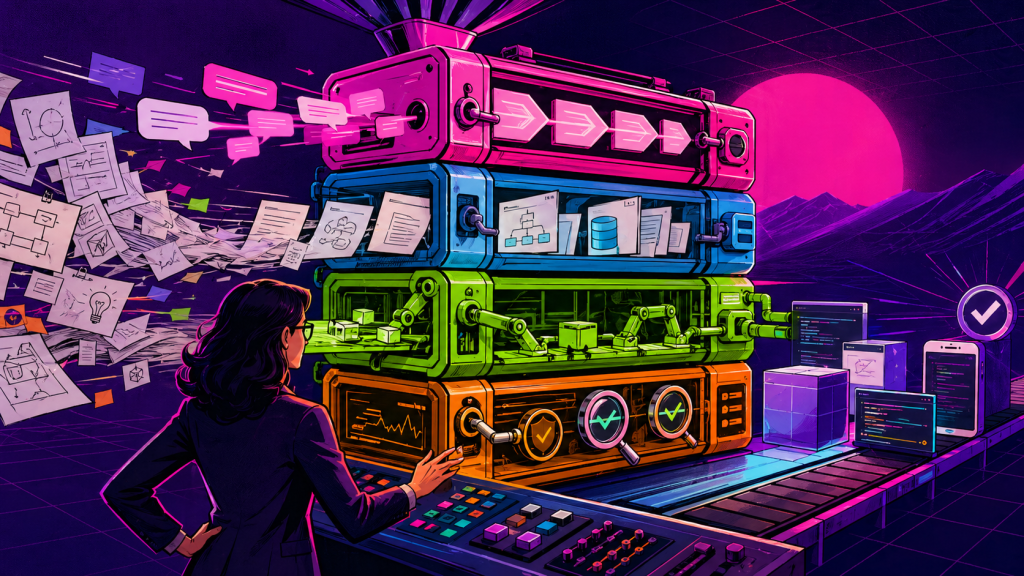
The story of agentic engineering is not a story of replacement. Prompt engineering did not die when context engineering arrived. Context engineering did not become irrelevant when harness engineering showed up. Each layer solved the failure mode of the layer before it, and the companies that understand this are moving from AI experiments to AI operating models.
Prompt engineering was the first wave because it was the easiest place to start. We learned that language could become an interface to software creation, analysis, testing, and product thinking. The best teams got very good at writing instructions, setting constraints, defining tone, and asking models to produce structured outputs instead of vague prose.
That mattered, but it was never going to be enough. A great prompt pointed the model in the right direction, but it did not guarantee the model had the right information, the right tools, or the right understanding of the system it was changing. Anthropic describes context engineering as the natural progression from prompt engineering, shifting the discipline from clever wording to curating the full information state available to the model during inference. That includes system instructions, tools, external data, memory, message history, and MCP-connected capabilities. (Anthropic)
This is where the second wave began. Context engineering turned AI from a clever assistant into something that could participate in real engineering workflows. GitHub now frames context engineering around custom instructions, reusable prompts, and custom agents that help Copilot produce work aligned to a repository’s architecture, standards, and conventions. (The GitHub Blog) The rise of AGENTS.md makes the same point in a more open format: agents need a predictable place to find setup commands, test instructions, coding standards, and project-specific guidance. (Agents)
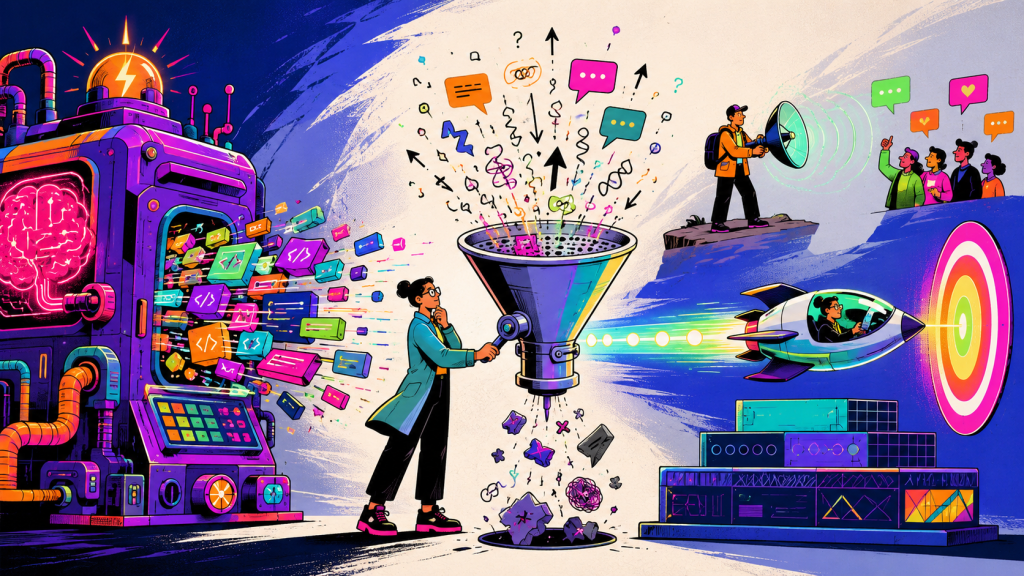
The uncomfortable truth is that more context is not always better context. Chroma’s “context rot” research showed that performance can degrade as input tokens increase, and the “lost in the middle” research showed that models often struggle to use information buried in long contexts. (Chroma) This is why context engineering is not a document dumping strategy. It is a signal strategy.
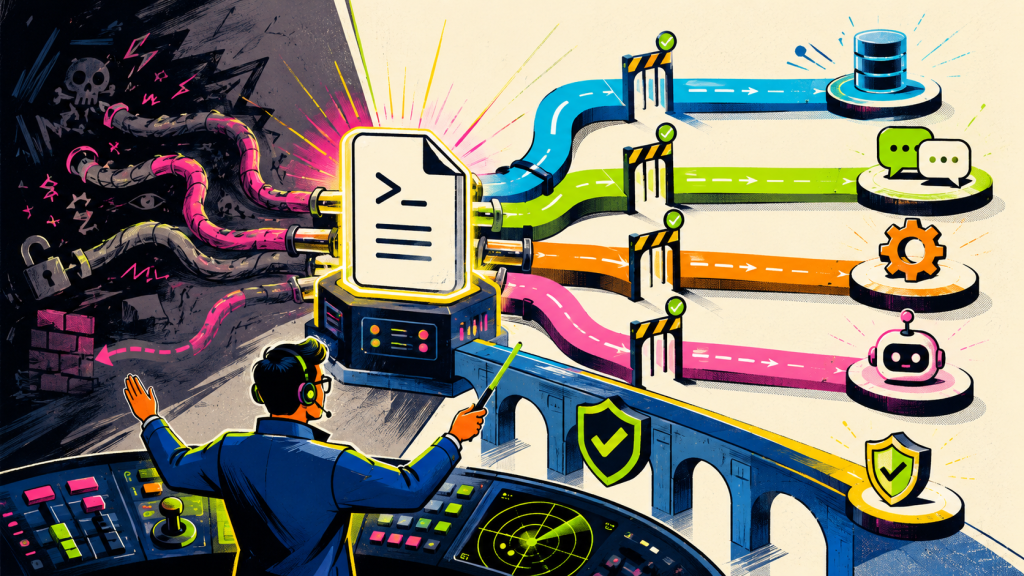
Now we are in the harness engineering phase. This is the moment when leaders stop asking, “What prompt should we use?” and start asking, “What system should surround the agent so that it can do real work safely, repeatedly, and measurably?” OpenAI’s harness engineering writeup is a strong example: Codex was used inside a structured environment with tools, repository-embedded skills, review loops, and development workflows. The reported result was roughly 1,500 merged pull requests over five months, with humans driving the work but not directly writing the code. (OpenAI)
Stripe’s Minions effort points in the same direction. The impressive number is not just that Stripe reports more than a thousand AI-produced pull requests merged each week. The more important lesson is that Stripe did not get there through better prompting alone. It got there by building a repeatable internal system around task intake, workflow execution, validation, and human review. (Stripe Dev)
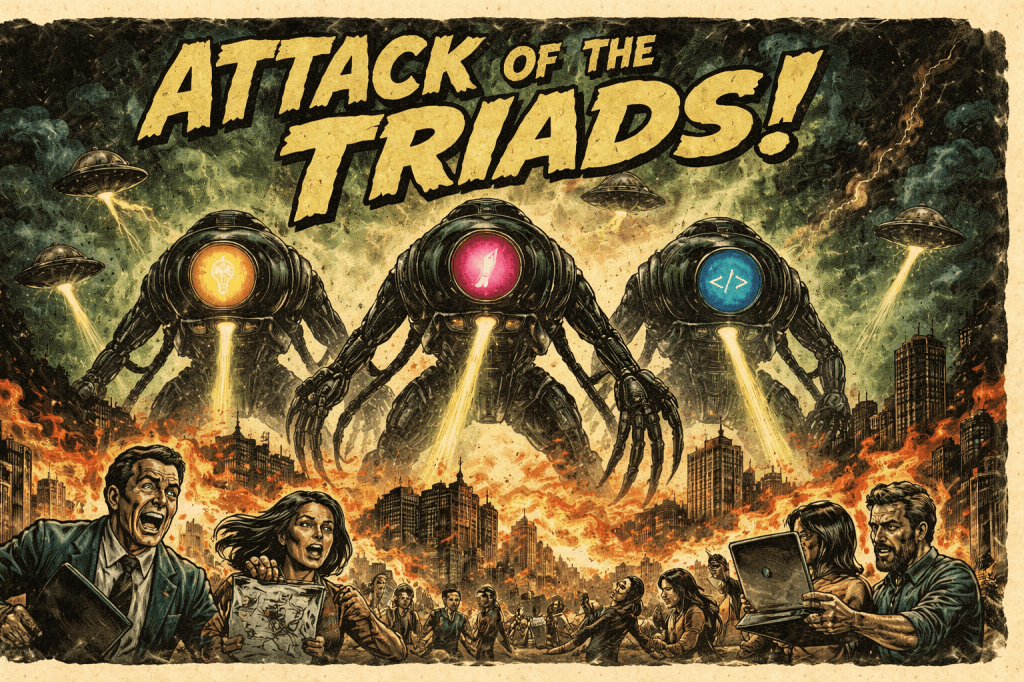
That is the real shift. Prompt engineering is how we instruct the model. Context engineering is how we inform the model. Harness engineering is how we operationalize the model.
For executives, this matters because harness engineering changes the unit of productivity. The unit is no longer the individual developer assisted by an AI tool. The unit becomes the engineered workflow that can convert intent into reviewed, tested, auditable work. That is a very different management model.
The strongest engineering organizations will layer these disciplines deliberately:
- Prompt engineering defines the behavior, role, constraints, and desired output.
- Context engineering supplies the relevant system knowledge, business rules, examples, memory, and state.
- Harness engineering provides tools, workflow control, sandboxes, permissions, evals, observability, human approval, and rollback paths.
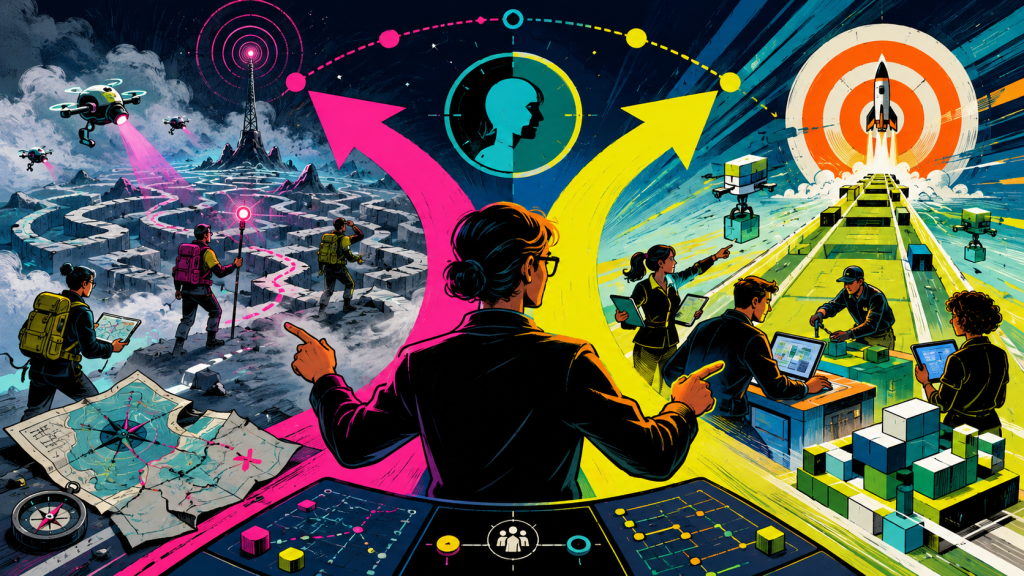
- Operating model design determines which work should be agent-led, human-led, or jointly executed.
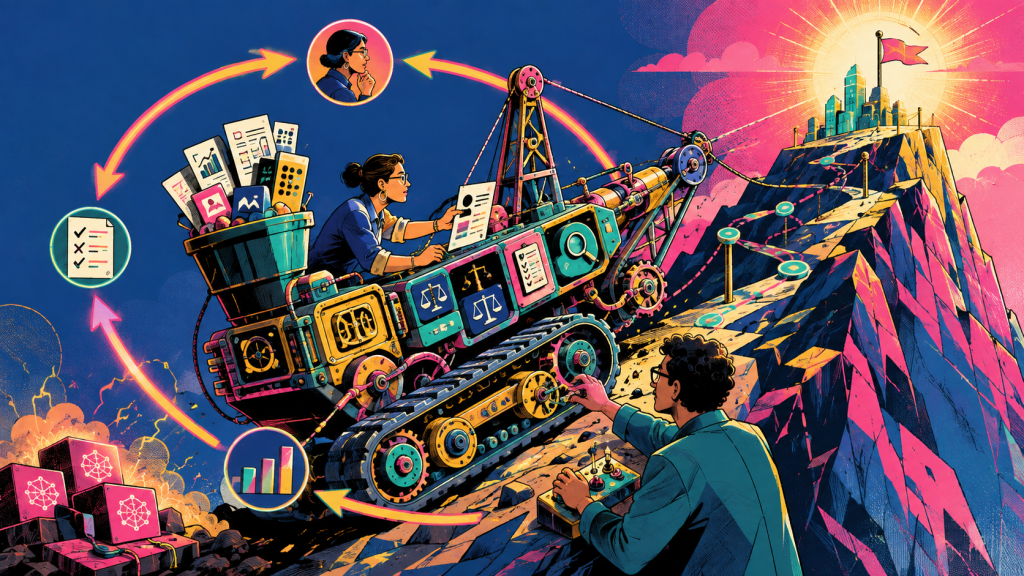
The next phase will be verification engineering. That is the discipline of proving that agentic work is correct, safe, economically sensible, and aligned with business intent before it reaches production or a customer-facing workflow.
This is already visible in the market. Anthropic is putting significant emphasis on agent evaluations because agents operate across multiple turns, call tools, modify state, and adapt based on intermediate results, which makes them harder to evaluate than simple chatbots. (Anthropic) LangChain makes a similar point from a production lens: agent monitoring is different from traditional software monitoring because agents accept unbounded natural language inputs and make decisions through multi-step reasoning chains, tool calls, and retrieval operations. (LangChain)
Microsoft is also moving in this direction with Foundry Control Plane, which positions agent operations around observability, guardrails, policy controls, security, identity, cost, and governance across an enterprise agent fleet. (Microsoft Azure) That is not a prompt engineering problem. That is an enterprise architecture problem.
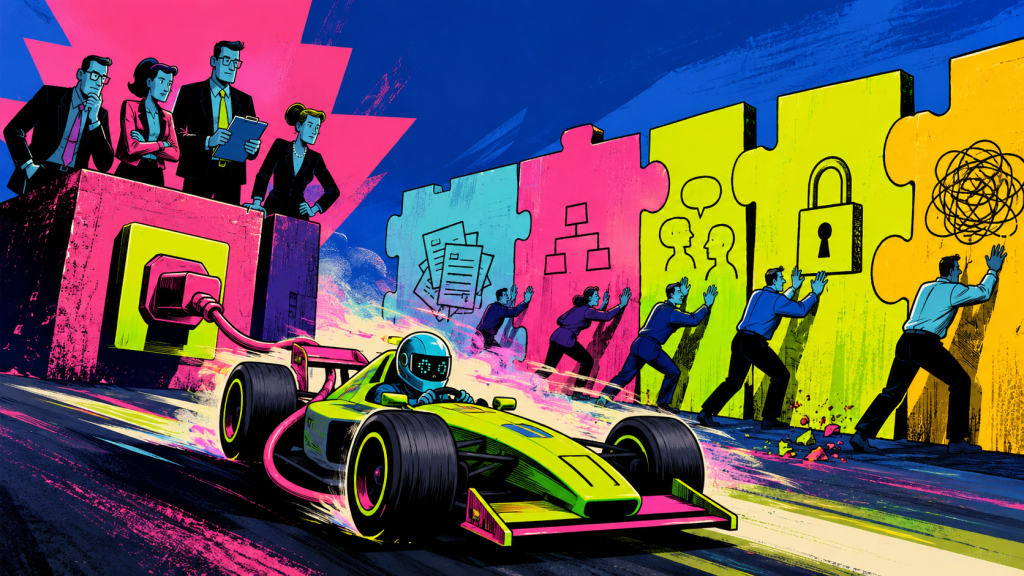
The mistake many companies will make is treating agentic engineering as a tooling rollout. They will buy copilots, enable coding agents, create a few prompt libraries, and declare progress. That may create local productivity gains, but it will not create a durable advantage.
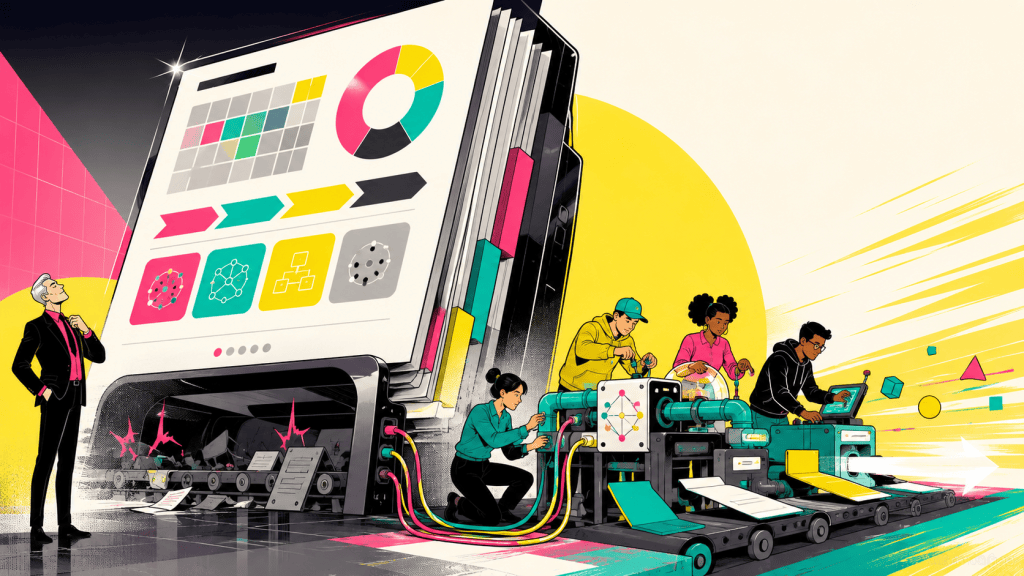
The advantage will go to companies that build an agentic delivery system. That means clear outcome specs, structured context, clean tool contracts, deterministic workflow boundaries, rigorous evals, human approval gates, observable execution, and a governance model that treats agents as operational actors. It also means product and engineering leaders must rethink how work enters the system, how quality is measured, and where human judgment belongs.
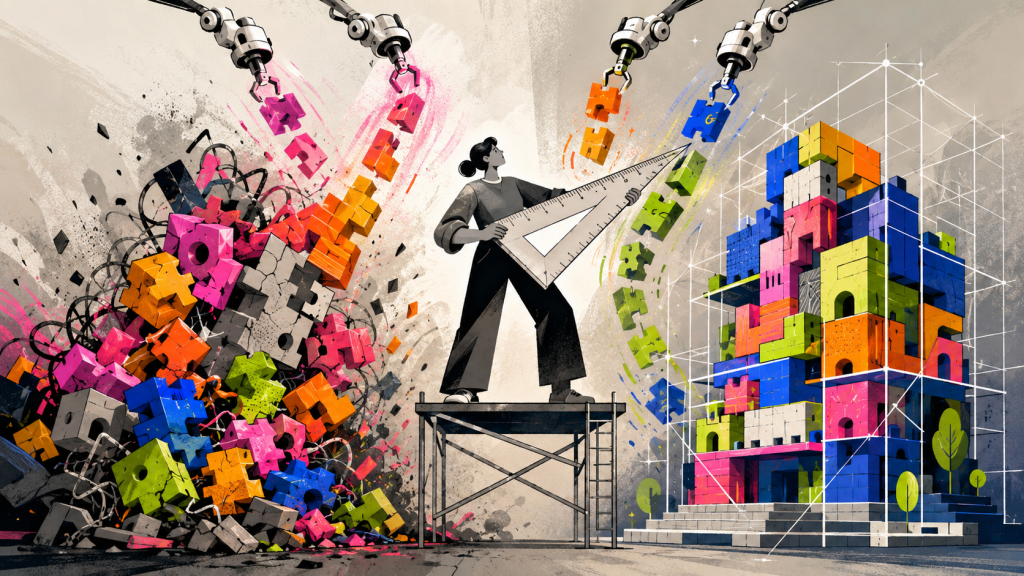
The best organizations will not use agents as a layer on top of a messy delivery system. They will use agents as pressure to clean the system itself.
This is the new stack of engineering work:
- Prompt engineering gives the agent direction, but direction alone is not enough.
- Context engineering gives the agent situational awareness, but awareness alone does not create delivery.
- Harness engineering gives the agent a controlled path to perform work, but execution alone does not create trust.
- Verification engineering gives the organization confidence that agentic work can safely scale.
Together, these layers move engineering away from ticket processing and toward intent-driven delivery. They also move teams away from heroic individual productivity and toward system-level productivity.
That distinction matters. A company does not become AI-native because some engineers use coding assistants. A company becomes AI-native when its delivery system is redesigned so that humans and agents can work together through structured intent, grounded context, controlled execution, and measurable verification.
The future is not “agents replace engineers.” That is the wrong frame. The future is that great engineers, product leaders, and designers will build systems where agents can safely absorb more of the mechanical work, while humans move closer to intent, judgment, architecture, and accountability. That is not a smaller role for engineering leadership. It is a much bigger one.


 bencoding